

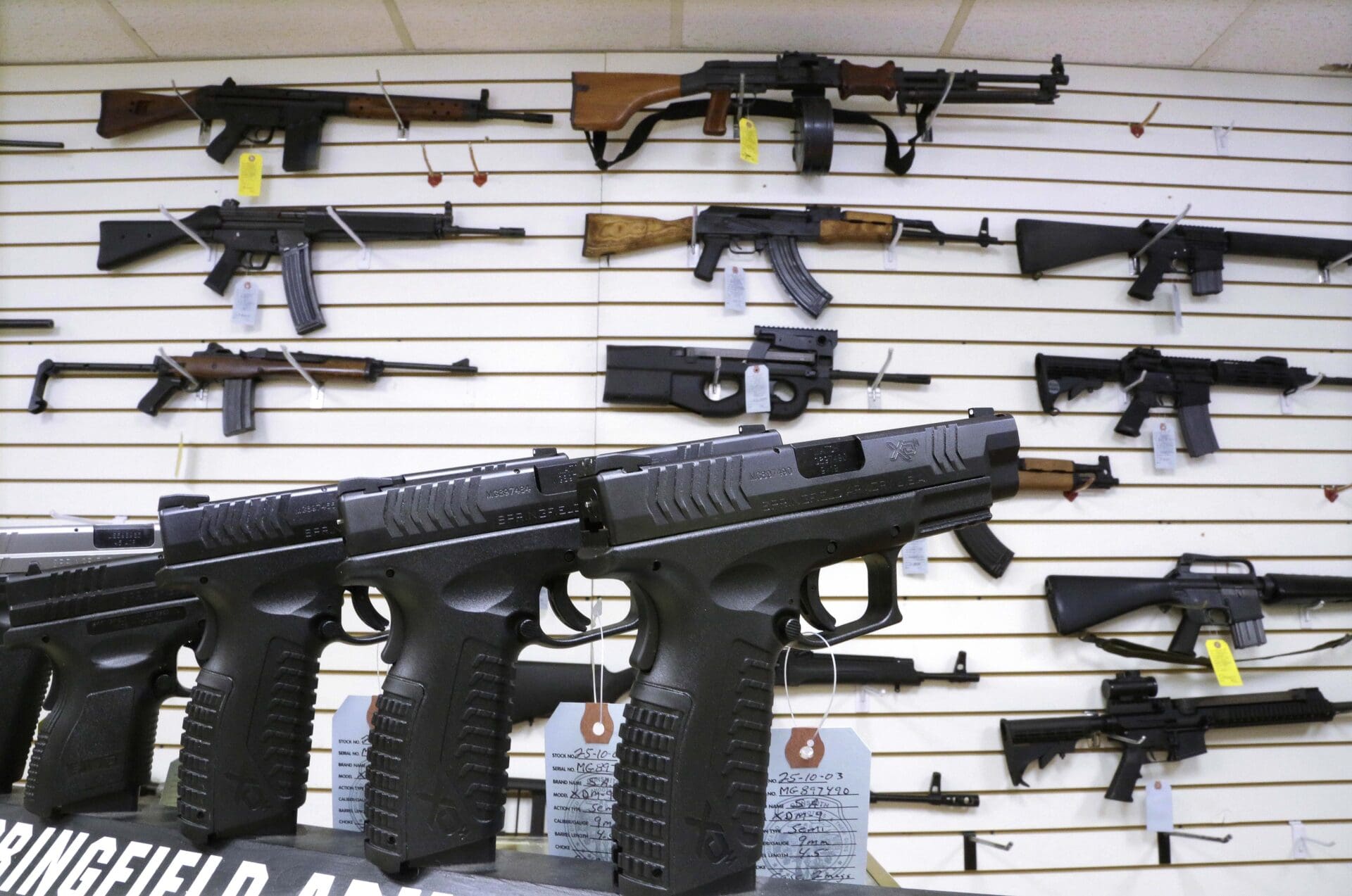
Personal safety has become a primary concern for many individuals in today’s society. As crime rates and concerns about personal security increase, carrying firearms for protection has emerged as a common choice among those seeking peace of mind. The decision to carry firearms is deeply personal and influenced by various factors.
Primary Motivations
- Many individuals carry firearms as a means of protecting themselves and their loved ones from potential threats. The unpredictability of modern life, from home invasions to assaults, makes self-defense an essential consideration.
- Firearms offer a sense of preparedness in situations where police intervention may not be immediately available.
- For some, the decision stems from living in or traveling through areas with higher crime rates. Carrying a firearm provides them with the confidence to navigate these environments more securely.
- According to FBI crime statistics, violent crimes such as robbery and aggravated assault contribute significantly to feelings of vulnerability.
- Owning and carrying a firearm is often seen as an empowering act that allows individuals to take control of their safety rather than relying solely on external sources like law enforcement.
- This autonomy fosters confidence and reduces fears about personal security in uncertain situations.
- Certain professions necessitate carrying firearms for protection, such as security personnel, private investigators, or those working in high-risk industries.
- Some gun carriers believe in being prepared for worst-case scenarios like active shooter situations or civil unrest.
- A firearm can serve as a tool for survival during emergencies when resources might be limited.
Psychological Benefits
- Peace of Mind: Knowing they have the means to defend themselves can alleviate anxiety about potential threats.
- Confidence: Proper training in firearm use fosters competence and builds self-assurance during confrontational scenarios.
- Dissuasion Effect: Visible signs that someone is armed may deter would-be attackers from initiating conflict.
Training and Responsibility
| Key Components of Responsible Gun Ownership | Description |
| Training Programs | Attending professional courses ensures safe handling, accuracy, and legal understanding. |
| Regular Practice | Maintaining proficiency through consistent practice at licensed ranges improves response times during emergencies. |
| Legal Knowledge | Awareness of federal, state, and local gun laws prevents unintentional violations. |
| Storage Solutions | Securely storing firearms minimizes risks associated with theft or misuse by unauthorized individuals (e.g., safes or biometric locks). |
Ethical Considerations
Finally, carrying firearms requires ethical responsibility:
– Ensuring situational awareness helps prevent unnecessary escalation of conflicts. – Recognizing the emotional weight tied to using lethal force emphasizes the need for restraint wherever possible.
Understanding what motivates people to carry firearms highlights the intersection between personal safety concerns and individual responsibility when navigating today’s challenges around public security needs.
Exploring the Role of a Gun Shop Norfolk in the Growing Trend of Gun Ownership
Gun ownership has seen a noticeable uptick in recent years, driven by a variety of factors that reflect changing societal dynamics. From concerns about personal safety to cultural and historical influences, understanding this trend requires examining the motivations and circumstances behind it.
Key Factors Driving Gun Ownership Growth
- Personal Protection Needs:
Many individuals feel an increasing need to secure their homes and families amid concerns over crime rates and social unrest. Firearms are often viewed as a reliable means to ensure safety. - Second Amendment Rights:
For many Americans, gun ownership is not only about protection but also a matter of exercising constitutional rights. The Second Amendment holds deep cultural significance and shapes attitudes toward firearm possession. - Recreational Activities:
Recreational shooting sports and hunting have long been part of American traditions. For some, gun ownership is tied to hobbies such as target shooting or participation in competitions. - Economic Uncertainty:
Periods of economic instability often correlate with increased firearm sales. Many people believe that owning a firearm provides them with security during uncertain times. - Social Influence:
Cultural or familial influences also play a role in shaping attitudes toward firearms. Many new gun owners are introduced to firearms through friends or family members who practice safe and responsible usage.
Demographic Shifts Among Gun Owners
| Demographics | Observations |
| Gender | There has been notable growth in female gun ownership as women prioritize personal safety. |
| Age Groups | Millennials and younger generations are showing more interest in firearm purchases compared to previous decades. |
| Geography | While rural areas continue to dominate ownership rates, urban residents are increasingly joining the ranks of gun owners. |
Public Perception Around Gun Ownership
- Safety Concerns: While proponents highlight firearms as tools for self-defense, others raise concerns about accidental misuse or accessibility by unauthorized users.
- Legal Considerations: States have varying laws regarding gun purchases, carrying permits, and usage restrictions that influence public sentiment.
- Education Campaigns: Industry groups and organizations promote responsible usage through education programs focusing on safe handling practices.
Practical Implications for New Owners
- Research local laws before making any purchase.
- Seek professional training on safe handling techniques.
- Consider insurance policies designed for responsible gun owners.
Understanding why firearms have become increasingly popular helps paint a holistic picture of modern society’s evolving relationship with them—whether it’s for protection, recreation, or exercising constitutional rights responsibly.
Finding a Reliable Gunsmith Near Me to Empower and Protect
Firearms ownership can play a significant role in personal protection and the ability to act during life-threatening situations. For many responsible gun owners, the decision to carry a firearm stems from the desire to safeguard themselves, their loved ones, and even others in their community. Understanding how firearms empower individuals requires examining several key aspects related to safety, responsibility, and preparedness.
The Role of Firearms in Personal Protection
Carrying a firearm for personal protection means being equipped for unforeseen situations where immediate action may be required. When used responsibly, firearms serve as an effective tool for:
– Deterring potential threats: The mere presence of a firearm can discourage attackers or intruders from acting.
– Providing self-defense options: In scenarios where danger escalates quickly, having access to a firearm offers individuals the ability to protect themselves effectively.
– Safeguarding others: Empowered firearm owners can potentially intervene in life-threatening events such as assaults or public safety incidents.
While firearms offer these benefits, it’s critical to pair ownership with training and responsibility.
Building Confidence Through Training
Proper training is an essential component of responsible gun ownership. Comprehensive education on safe firearm use not only enhances personal security but also builds confidence when handling weapons. A strong foundation should include:
1. Firearm Education
– Understanding different types of firearms and how they function
– Learning proper storage techniques for safety
- Self-defense scenarios tailored for real-life situations
- Practice drills that simulate high-pressure decision-making environments
- Consistent range practice to improve accuracy and reflexes
- Training with various conditions (low light, moving targets)
Investing time into these areas ensures that gun owners are prepared to respond decisively while prioritizing safety.
Best Practices for Carrying Firearms Safely
- Choosing Appropriate Holsters: A secure holster prevents accidental discharges and provides quick access if needed.
- Complying With Legal Regulations: Familiarize yourself with local laws regarding concealed or open carry, including permit requirements.
- Situational Awareness: Stay vigilant about your surroundings at all times to avoid unnecessary escalation.
- Keeping Firearms Secure at Home or On-the-Go: Use safes or lockable cases when storing firearms away from your person.
Following these best practices demonstrates accountability while carrying.
Ethical Responsibilities of Firearm Owners
Being empowered through firearm ownership also involves moral obligations toward society. Key responsibilities include: – Supporting community safety by reporting suspicious activity – Preventing misuse by ensuring no unauthorized access – Promoting education within local communities about safe gun practices
These ethical considerations reflect the values underpinning responsible ownership—protection without compromising the well-being of others.
By embracing proper training, adhering strictly to safety protocols, and understanding the weight of ethical responsibilities, individuals can harness the empowerment that firearms offer while contributing positively toward their own security and broader societal safety goals.
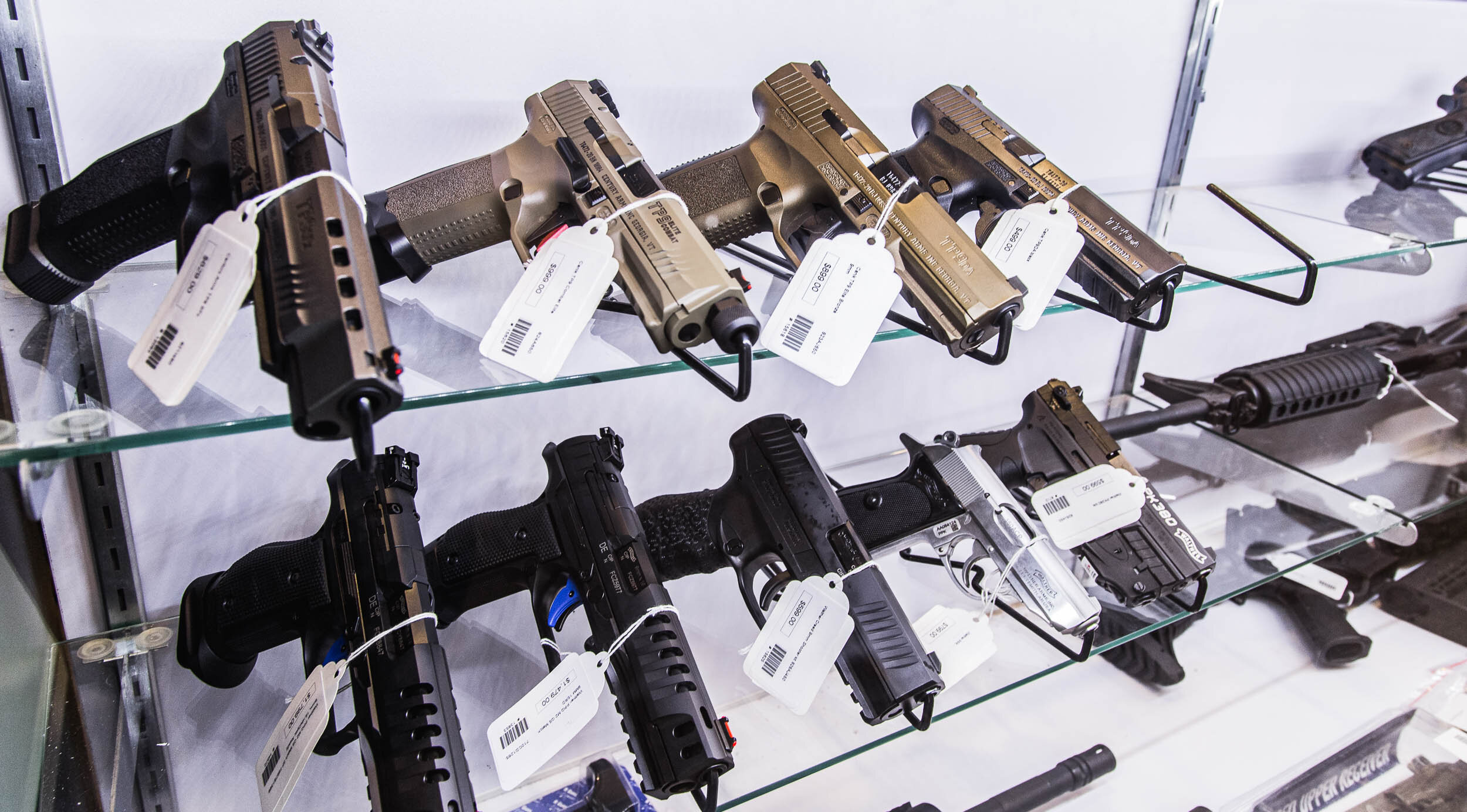
Exploring the Importance of Firearms in Ensuring Personal Safety
Firearms have long been a topic of discussion when it comes to personal safety. For many individuals, owning a firearm serves as a critical step toward protecting themselves, their families, and their property. This concept is rooted in both practical and psychological factors that underscore the role of firearms in ensuring security and peace of mind.
Why Firearms Play a Role in Personal Protection
- Deterrent Effect: The presence of a firearm often acts as a deterrent to potential criminal activity. Knowing that an individual is armed may discourage home invasions, burglaries, or other violent acts.
- Quick Response: In emergencies where immediate action is required—such as home intrusions or assaults—a firearm can provide the necessary means to respond effectively.
- Increasing Crime Rates: With rising concerns about crime in many areas, more people feel the need to take proactive measures to safeguard themselves.
- Reduced Dependence on External Assistance: While law enforcement plays a vital role in maintaining public safety, response times can vary. Having access to a firearm ensures individuals are not entirely dependent on external help for protection.
Advantages of Firearms for Personal Safety
| Advantage | Description |
| Control Over One’s Safety | Enables individuals to take responsibility for their well-being without relying solely on others. |
| Confidence and Preparedness | Training with firearms builds confidence and enhances readiness for unexpected situations. |
| Versatility | Firearms can serve multiple purposes—from self-defense during emergencies to recreational use. |
Responsible Ownership is Key
- Proper Training
Investing time in professional training ensures owners are equipped with the skills needed to use firearms safely and effectively. - Secure Storage Solutions
Firearms should always be stored securely using safes or lockboxes. This prevents unauthorized access, especially by children or untrained individuals. - Regular Maintenance
Routine cleaning and inspection ensure that firearms remain functional and reliable when needed most. - Awareness of Local Laws
Gun laws vary widely depending on location; staying informed about these laws helps prevent accidental violations.
The Psychological Impact of Feeling Safe
Owning a firearm does not only provide physical protection but also contributes positively to mental well-being by reducing fear and anxiety related to potential threats. Many gun owners report feeling safer knowing they have the means to defend themselves if an emergency arises.
By understanding both the benefits and responsibilities tied to firearm ownership, individuals can make informed decisions about incorporating this tool into their personal safety strategies while contributing positively toward safer communities overall.
Finding a Trusted Gun Dealer Norfolk: What to Look For
Product Selection and Quality
- Handguns, rifles, and shotguns from reputable manufacturers
- Ammunition in various calibers and quantities
- Accessories like holsters, cleaning kits, scopes, and safety gear
Ensure that all products meet industry standards for quality and reliability. High-quality merchandise is essential for performance as well as safety.
Knowledgeable Staff
The staff at the gun store should be experienced and well-informed about firearms. A knowledgeable team can:
– Explain the features of different models clearly
– Answer questions about laws regarding ownership or concealed carry permits
– Provide advice on appropriate firearms based on skill level or intended use (e.g., self-defense, hunting, or target shooting)
Experienced staff can also guide you toward compatible accessories or upgrades for your firearm.
Compliance with Laws and Regulations
A good gun store strictly adheres to local, state, and federal laws related to firearm sales. Key compliance indicators include:
– Conducting background checks before completing transactions
– Informing customers about required permits or licenses
– Providing documentation for each sale
Stores that follow legal procedures help promote safe practices within the firearms community.
Training Opportunities
Many reputable stores go beyond just selling firearms by offering educational resources like training courses or certifications. These may include:
– Firearms safety training programs
– Concealed carry permit courses
– Classes on proper handling techniques
Training opportunities demonstrate that a store prioritizes responsible firearm ownership over mere profit.
Customer Reviews and Reputation
Before deciding on a particular gun store, take time to research its reputation within the community. Look for:
1) Online reviews on platforms like Google or Yelp
2) Feedback from other firearm owners via forums or social media discussions
3) Recommendations from experienced shooters
Positive reviews often point toward excellent service quality while consistent negative feedback may indicate potential issues such as poor customer service or unreliable products.
| Factor | Importance | Example Metrics |
| Product Selection | Diverse options ensure suitability across varying needs | Availability of major brands |
| Staff Knowledge | Guides informed decisions | Experience level & feedback |
| Legal Compliance | Helps foster trustability in transactions | Transparency during purchase process |
Finding the Best Gun Store Norfolk Has to Offer: What You Need to Know
Choosing the right gun store is crucial for ensuring a safe, informed, and satisfying purchasing experience. Whether you’re a first-time buyer or an experienced firearm owner, making the correct choice impacts not only your purchase but also your overall knowledge and comfort with firearms. Here are key factors to consider when selecting a reliable gun store.
1. Reputation and Credibility
The reputation of a gun store speaks volumes about its reliability. Here’s how to gauge credibility:
– Customer Reviews: Online reviews on platforms like Google or Yelp can offer insights into customer experiences. Pay attention to recurring complaints or praise in reviews. – Certifications and Licenses: Verify that the store is licensed by the Bureau of Alcohol, Tobacco, Firearms, and Explosives (ATF). This ensures compliance with federal regulations. – Community Reputation: Ask local firearm enthusiasts or check with shooting ranges for trusted recommendations.
2. Knowledgeable Staff
A reliable gun store should have qualified staff who can guide you throughout the purchasing process. Look for these traits in employees:
– Ability to explain different firearm types, calibers, and their uses. – Willingness to answer questions without pressuring you into a sale. – Expertise in safety practices, proper storage methods, and local laws.
3. Product Selection
A good gun store offers a diverse inventory to meet various needs. Key considerations include:
– Availability of handguns, rifles, shotguns, ammunition, accessories (e.g., holsters), and cleaning supplies. – Stocking reputable brands known for quality craftsmanship. – Offering new as well as pre-owned firearms that have been inspected thoroughly.
| Product Type | Examples |
| Firearms | Handguns, rifles, shotguns |
| Ammunition | Full metal jacket (FMJ), hollow-point |
| Accessories | Holsters, scopes |
| Safety Gear | Ear protection muffs, shooting glasses |
4. Legal Compliance Support
A responsible gun store will ensure buyers are informed about legal obligations such as background checks and waiting periods. Look for stores that:
– Assist with completing required paperwork accurately. – Provide clear guidance on state-specific laws regarding concealed carry permits or open-carry regulations. – Offer educational resources on lawful ownership.
5. Training Opportunities & Services
Many reputable stores go beyond selling firearms by offering services such as:
1. Shooting range access for practice sessions. 2. Basic firearm safety classes tailored for beginners. 3. Advanced training programs focusing on self-defense scenarios.
Stores that provide these services demonstrate their commitment to fostering responsible ownership rather than just making sales.
6. Pricing Transparency & Fair Policies
Look for clear pricing structures without hidden fees or inflated costs for accessories and maintenance services: – Compare prices across several stores while considering additional perks like warranties or loyalty rewards programs. – Check their return policies—reliable shops typically allow returns under specific conditions (e.g., defects).
7. Customer Support After Purchase
Exceptional customer service doesn’t end at checkout—the best stores provide ongoing support through: – Post-purchase consultations about maintenance tips or upgrades. – Assistance with warranty claims if necessary. – Friendly communication channels like phone lines or email support.
Finding a trustworthy gun store ensures not only access to high-quality products but also peace of mind knowing you’re fully equipped with knowledge and resources tailored to your requirements as a responsible firearm owner.
- Gun Dealer Norfolk: Everything You Need to Know About Permits to Purchase or Transfer Firearms
- Discover Why a Gun Shop Norfolk Residents Trust Remains Essential in Today’s Market
- Finding the Best Gunsmith Near Me: A Guide for First-Time Gun Owners
- Reasons Why People Buy Guns Norfolk for Personal Protection
- Where to Buy Guns Norfolk Residents Trust for Optics and More Compatibility
- Promoting Safe and Responsible Gun Ownership at a Gun Shop in Norfolk
- Finding the Best Gun Store Norfolk Has to Offer: A Beginner’s Guide to Choosing Your First Firearm
- Tips for Choosing Your First Firearm from a Reputable Gun Shop Norfolk