

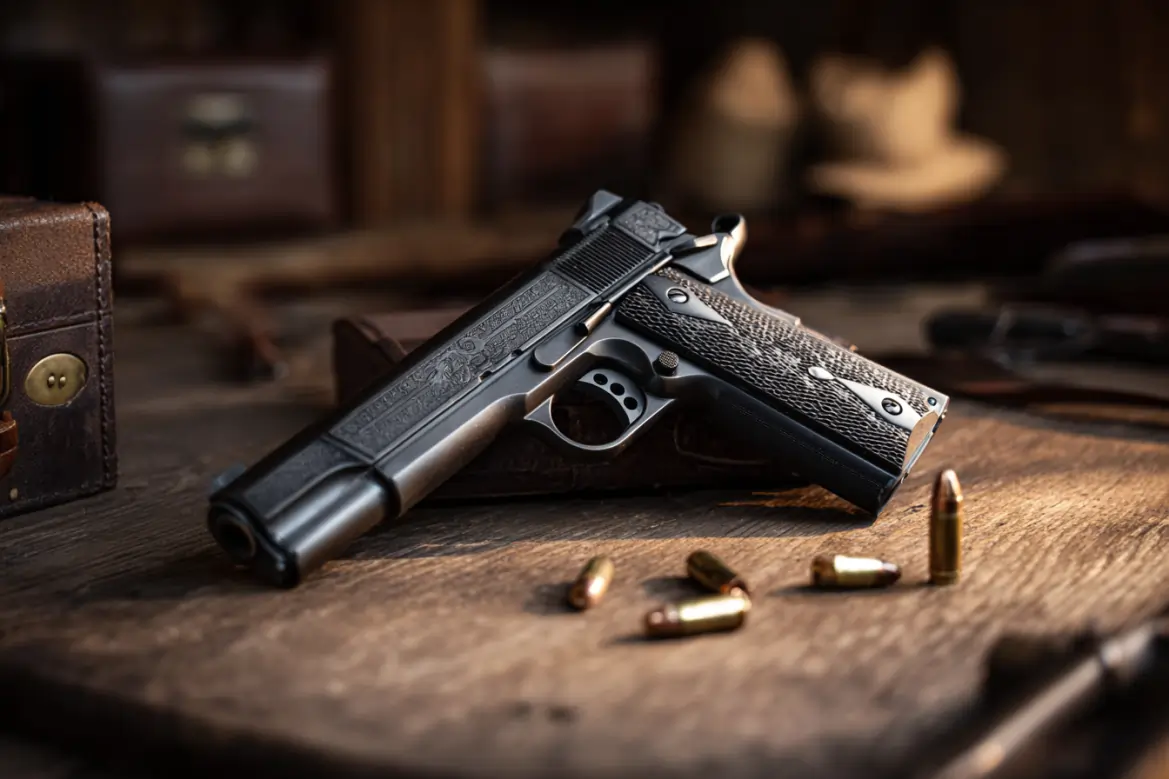
 Purchasing or transferring a firearm is a process regulated by state and federal laws, and understanding these regulations is essential to ensure compliance. Whether you’re a first-time buyer or transferring ownership, obtaining the necessary permits and adhering to the applicable requirements is critical.
What Is a Permit to Purchase or Transfer?
A permit to purchase or transfer is an official authorization required in many jurisdictions for individuals who want to buy, sell, or transfer ownership of firearms. This permit helps regulate firearm transactions while ensuring that responsible individuals gain access.
Key purposes of the permit include:
– Promoting Safety: Ensures that firearms are handled by individuals who meet legal and safety standards.
– Preventing Illegal Access: Reduces the chances of firearms falling into the hands of prohibited persons.
– Supporting Accountability: Creates a traceable record of ownership transfers.
Who Needs a Permit?
Permit requirements vary depending on your state or country. Generally:
1. First-Time Buyers: Most states require first-time buyers to obtain a permit before purchasing firearms.
2. Private Sellers: In some jurisdictions, private sellers are required to verify that buyers hold valid permits before transferring ownership.
3. Licensed Dealers: Federal law mandates licensed firearm dealers (FFLs) conduct background checks on purchasers through the National Instant Criminal Background Check System (NICS).
Always check your local laws, as some states exempt certain firearm types (e.g., antiques) from permit requirements.
Steps for Obtaining a Permit
| Step | Description | Notes |
| 1 | Complete Application | Available online or at local offices depending on your jurisdiction |
| 2 | Submit Identification | Provide proof of residency and government-issued identification |
| 3 | Background Check | Criminal history and mental health status are reviewed |
| 4 | Training Requirements (if applicable) | Some states require completion of firearm safety courses |
| 5 | Await Decision | Processing times may vary from days to weeks |
Permit Validity and Renewal
Once issued, permits typically have an expiration date and need renewal before they lapse. This ensures continued compliance with legal requirements over time.
- Validity Period: Commonly ranges between 1-5 years based on state laws.
- Submit renewal applications before expiration.
- Complete any updated training if mandated by law.
- Pay applicable fees.
Special Considerations for Transfers
- Ensure both parties meet eligibility criteria under state/federal laws.
- Use licensed dealers for background checks when required.
- Record details like serial numbers and transaction dates for personal documentation.
Understanding these elements helps gun owners navigate their responsibilities efficiently while fostering safer communities through lawful practices.
How to Find a Licensed Gun Shop Norfolk for Firearm Sales and Ownership
Obtaining the proper license for firearm sales or ownership is a critical step in ensuring compliance with federal, state, and local laws. Whether you’re an individual seeking to legally own firearms or a business planning to sell them, understanding the licensing process is essential. Below is a comprehensive guide to help you navigate this process effectively.
Understanding the Types of Licenses at a Gun Store Norfolk
- Required for individuals or businesses engaged in the sale, manufacture, or import of firearms.
- Issued by the Bureau of Alcohol, Tobacco, Firearms and Explosives (ATF).
- Type 01: For dealers in firearms.
- Type 02: For pawnbrokers dealing with firearms.
- Type 07: For manufacturers of firearms and ammunition.
- Needed by individuals who wish to carry a concealed firearm.
- Typically issued by your local law enforcement agency but requirements vary by state.
- Many states require additional permits or licenses for firearm ownership or sales. These can include purchase permits, dealer licenses, and more.
How to Buy Guns in Norfolk and Obtain an FFL
Hadar Firearms
84717 554th Ave, Norfolk, NE 68701
+14023021170
https://hadarfirearms.com
- Be at least 21 years old.
- Have no felony convictions or other legal disqualifications related to firearms.
- This form is required for all initial FFL applications.
- Provide accurate details about the nature of your business and proposed premises.
- Pay the Application Fee:
| License Type | Fee Amount (2023) | Renewal Frequency | |————–|——————-|——————-| | Dealer | $200 | Every 3 years | | Manufacturer | $150 | Annually | - Submit Application & Background Check:
The ATF will perform an extensive background check on all applicants to ensure compliance with federal laws. - Inspection:
An ATF compliance agent may inspect your intended premises to verify adherence to regulations such as proper record-keeping storage practices. - Approval Process:
If approved, you’ll receive your FFL certificate within approximately two months.
State-Level Licensing Requirements
- Some states mandate background checks even for private sales.
- A few states like California and New York have stricter licensing procedures requiring additional documentation such as safety certificates or waiting periods.
Resources for Assistance
- Utilize online tools provided by the ATF’s website for detailed instructions on completing forms and understanding compliance guidelines.
- Contact your state’s Department of Justice (DOJ) office which often manages local gun-related licenses.
- Consult with legal experts specializing in firearm laws if you’re unsure about any part of the process.
Securing the correct license not only ensures compliance but also upholds responsible practices around gun ownership and commerce. By understanding these requirements thoroughly, you contribute meaningfully toward promoting safety within this regulated industry while protecting yourself legally from potential liabilities.
Understanding the Importance of Disclaimers in Gun Store Transactions
Disclaimers play a critical role in gun store transactions, providing clarity, transparency, and legal protection for both buyers and sellers. These statements help ensure that all parties involved understand their rights, responsibilities, and the scope of the transaction. Whether you are new to firearm ownership or an experienced enthusiast, understanding disclaimers is essential to avoid potential misunderstandings or legal complications.
Why Disclaimers Matter in Gun Store Transactions
- Legal Compliance: Many regions require gun stores to include specific disclaimers to comply with state or federal laws.
- Liability Protection: Disclaimers protect gun store owners from being held liable for misuse of firearms by customers after purchase.
- Buyer Awareness: They inform customers about their responsibilities, including safe handling, storage, and adherence to local firearm regulations.
- Regulatory Clarity: Disclaimers provide clear information on what the store can and cannot do—such as background checks or firearm transfers.
By addressing these aspects, disclaimers establish a transparent and straightforward transaction process.
Common Elements Found in Gun Store Disclaimers
- Background Check Policy
A statement explaining that all firearm sales are subject to background checks in compliance with local or federal laws. - Transfer of Ownership Details
Information on how ownership transfers occur following a purchase—including any waiting periods required by law. - Legal Responsibilities of Buyers
Warnings about the buyer’s responsibility to follow all applicable laws regarding firearm storage, transport, and usage. - No Liability for Misuse
A disclaimer stating that the seller is not responsible for improper or unlawful use of firearms purchased from the store. - Returns and Refund Policies
Clear terms regarding whether firearms or ammunition purchases can be returned—and under what conditions. - Delivery and Shipping Restrictions
Notes on limitations related to shipping firearms across state lines or internationally.
Sample Disclaimer Table
| Disclaimer Type | Example Language |
| Background Checks | “All firearm sales require background checks as mandated by law.” |
| Buyer Responsibility | “It is your responsibility to comply with all local, state, and federal regulations.” |
| No Liability | “The seller assumes no responsibility for misuse of products purchased.” |
| Transfer Details | “Firearms will not be transferred until all requirements under XYZ Law are met.” |
| Ammunition Purchase Disclaimer | “Ammunition sales are final. Ensure calibers match your registered firearm before purchasing.” |
This table provides an idea of how clear communication through disclaimers can safeguard both parties legally while clarifying expectations upfront.
Best Practices When Reviewing Disclaimers
- Read all accompanying documents provided at purchase carefully.
- Look for details about your obligations as a buyer.
- Ask questions if any part of the disclaimer is unclear.
- Keep copies of relevant paperwork for future reference.
- Regularly review updates to local laws that might affect previous purchases or new transactions.
These practices not only protect buyers but also contribute toward fostering responsible gun ownership within communities.
Understanding these elements ensures smoother interactions between gun stores and their clients while maintaining compliance with legal standards applicable in different jurisdictions.
Understanding the Importance of Disclaimers in Gun Store Transactions
Disclaimers play a crucial role in ensuring transparency and compliance for gun stores and their customers. They not only protect the business but also serve to educate buyers about the legal and ethical considerations surrounding firearm purchases. Below, we explore why disclaimers are necessary, what they typically include, and how they benefit all parties involved.
Why Are Disclaimers Important?
- Legal Protection: Disclaimers shield gun store owners from liability if an individual misuses a firearm purchased from their store.
- Compliance Assurance: They demonstrate that the store is adhering to federal, state, and local laws by informing customers of these regulations.
- Customer Education: Buyers may not always be familiar with firearm laws. Disclaimers remind them of essential rules, such as storage requirements or prohibited uses.
- Clarity on Responsibilities: Clearly outlined disclaimers help distinguish responsibilities between sellers and buyers.
Common Elements Found in Gun Store Disclaimers
| Disclaimer Element | Description |
| Age Verification Notice | Buyers must confirm they meet the legal age requirements (e.g., 18 for rifles, 21 for handguns). |
| Background Check Requirement | A reminder that firearm transactions are subject to background checks where mandated by law. |
| Safe Storage Recommendations | Emphasis on secure storage practices to prevent unauthorized access or theft. |
| Use Responsibility Clause | A statement clarifying that buyers are solely responsible for how they use the firearm. |
| State-Specific Restrictions | Notification of any state or local laws that might apply to ownership or transportation of firearms. |
Benefits for Customers
- Awareness of Legal Obligations: Buyers gain a better understanding of their responsibilities as firearm owners.
- Transparency in Transactions: Clear disclaimers help establish trust between the customer and seller by avoiding ambiguities during the sale process.
- Reduction in Risk of Violations: Educating customers through disclaimers decreases accidental violations of firearm laws.
Tips for Crafting Effective Gun Store Disclaimers
- Consult an attorney familiar with firearms law to ensure full compliance with regulations.
- Use plain language wherever possible so customers can easily understand their responsibilities.
- Update disclaimers regularly to reflect changes in federal or state laws.
- Display disclaimers prominently at points of sale (both physical stores and online platforms).
By prioritizing well-drafted disclaimers, gun stores enhance both operational integrity and customer confidence while mitigating potential risks associated with firearm sales.
Essential Contact Information for Your Gun Store Needs
Having the correct contact information when dealing with gun stores is critical. Whether you’re a first-time buyer, a seasoned firearm owner, or someone seeking professional guidance, knowing whom to connect with can streamline your experience. This section provides a comprehensive overview of the essential contact points associated with gun stores, ensuring you can address questions or concerns effectively.
Primary Contacts at Gun Stores
When visiting or reaching out to a gun store, understanding key roles within the establishment helps ensure your inquiries are directed appropriately:
– Store Manager: Oversees store operations and handles escalated customer service matters. They are the go-to person for policy-specific questions or issues regarding purchases. – Firearm Sales Representative: Helps customers choose firearms that suit their needs and budget. They often provide product details and comparisons. – Gunsmith: On-site or recommended professionals who assist with maintenance, repairs, or customizations of firearms. – Compliance Specialist (if applicable): Ensures that all sales and transactions adhere to local, state, and federal firearm regulations.
Government Agencies Related to Firearm Purchases
| Agency/Organization | Purpose | Key Contact Info |
| Bureau of Alcohol, Tobacco, Firearms and Explosives (ATF) | Licensing information for dealers; firearms laws enforcement | www.atf.gov |
| State Police or Local Law Enforcement | Background checks; permit-related inquiries | Contact your local department |
| Department of Justice (DOJ) | Information on firearm regulations specific to your state | Varies by state – check official DOJ website |
| National Instant Criminal Background Check System (NICS) | Facilitates background checks during purchases | www.fbi.gov/nics |
Manufacturer Support Contacts
Many leading firearm manufacturers provide direct customer support for warranty claims, product-specific questions, or replacement parts. Some useful examples include:
– Smith & Wesson Support Center: Assists with warranty services and product registration (Visit Website).
– Glock Customer Services: Offers technical support on Glock products (Visit Website).
– Remington Customer Care: Provides assistance with legacy models as well as new products (Visit Website).
Training Facilities and Organizations
Many customers seek skill development courses alongside purchasing their firearm. Reputable training facilities often partner with gun stores to provide safety courses or advanced shooting techniques. Key organizations you might consider contacting include: – The National Rifle Association (NRA): Offers certified safety classes across the U.S. – USA Carry Directory: A resource for locating concealed carry classes near you.
Tips for Organizing Your Contacts
Maintaining a list of essential contacts ensures you’re prepared whenever questions arise about purchasing or maintaining firearms. Recommendations include: – Keeping both physical notes and digital records for easy access. – Saving phone numbers directly in your mobile device under organized labels like “Gun Store Resources” or “Firearm Agencies.” – Bookmarking relevant websites on your browser.
Having access to accurate information is pivotal in navigating today’s complex network of firearm laws and services. By leveraging these resources effectively, you enhance not only compliance but also the overall buyer experience while interacting with gun stores.
Finding a Reliable Gunsmith Near Me: What You Should Know About Firearm Laws and Compliance Standards
Navigating firearm laws and compliance standards is crucial for both gun store owners and buyers. These laws are designed to ensure public safety while maintaining the rights of responsible firearm ownership. Understanding these regulations helps to avoid legal issues and fosters a culture of accountability around firearms.
Federal Firearm Laws
- The National Firearms Act (NFA): Regulates the possession, transfer, and manufacture of specific firearms such as machine guns, short-barreled rifles, shotguns, suppressors, and destructive devices.
- The Gun Control Act of 1968 (GCA): Establishes guidelines for who can purchase firearms by prohibiting sales to certain individuals (e.g., felons or those with restraining orders). It also governs interstate firearm transfers.
- The Brady Handgun Violence Prevention Act: Introduced the background check system for firearm purchases from licensed dealers through the National Instant Criminal Background Check System (NICS).
- Firearm Owners’ Protection Act (FOPA): Safeguards lawful gun owners during interstate travel as long as their firearm is unloaded and stored appropriately while traveling through jurisdictions with stricter laws.
State-Specific Regulations
- Some states require individuals to obtain a permit before purchasing firearms or ammunition.
- Certain states mandate waiting periods between purchasing a firearm and taking possession of it.
- States like California have restrictions on magazine capacity—limiting it to 10 rounds in many cases.
- States vary widely on whether individuals can openly carry handguns without permits or if concealed carry permits are required.
| Feature | Examples of States with Additional Regulations | Notes |
| Permit-to-Purchase | California, Illinois | Often applies to all firearms |
| Magazine Restrictions | New York, Colorado | Limits range from 10–15 rounds |
| Waiting Period | Florida (3 days), Hawaii | Designed for cooling-off periods |
| Stand Your Ground Laws | Florida, Texas | Varying interpretations exist |
The Role of Gun Store Owners in Compliance
- Conducting thorough background checks using NICS.
- Maintaining accurate records via Form 4473 for every transaction.
- Educating customers about local gun laws.
- Reviewing proper identification documents before processing sales.
- Enforcing compliance regarding restricted items like assault weapons or high-capacity magazines in states where they are banned.
Common Pitfalls in Compliance
- Selling firearms without conducting proper background checks.
- Failing to record private party transfers as mandated by some state laws.
- Neglecting training requirements for concealed carry permits where applicable.
Understanding federal guidelines while staying up-to-date on local legislation is a cornerstone for responsible ownership and retailing within the firearm industry.
- Gun Dealer Norfolk: Everything You Need to Know About Permits to Purchase or Transfer Firearms
- Discover Why a Gun Shop Norfolk Residents Trust Remains Essential in Today’s Market
- Finding the Best Gunsmith Near Me: A Guide for First-Time Gun Owners
- Reasons Why People Buy Guns Norfolk for Personal Protection
- Where to Buy Guns Norfolk Residents Trust for Optics and More Compatibility
- Promoting Safe and Responsible Gun Ownership at a Gun Shop in Norfolk
- Finding the Best Gun Store Norfolk Has to Offer: A Beginner’s Guide to Choosing Your First Firearm
- Tips for Choosing Your First Firearm from a Reputable Gun Shop Norfolk