

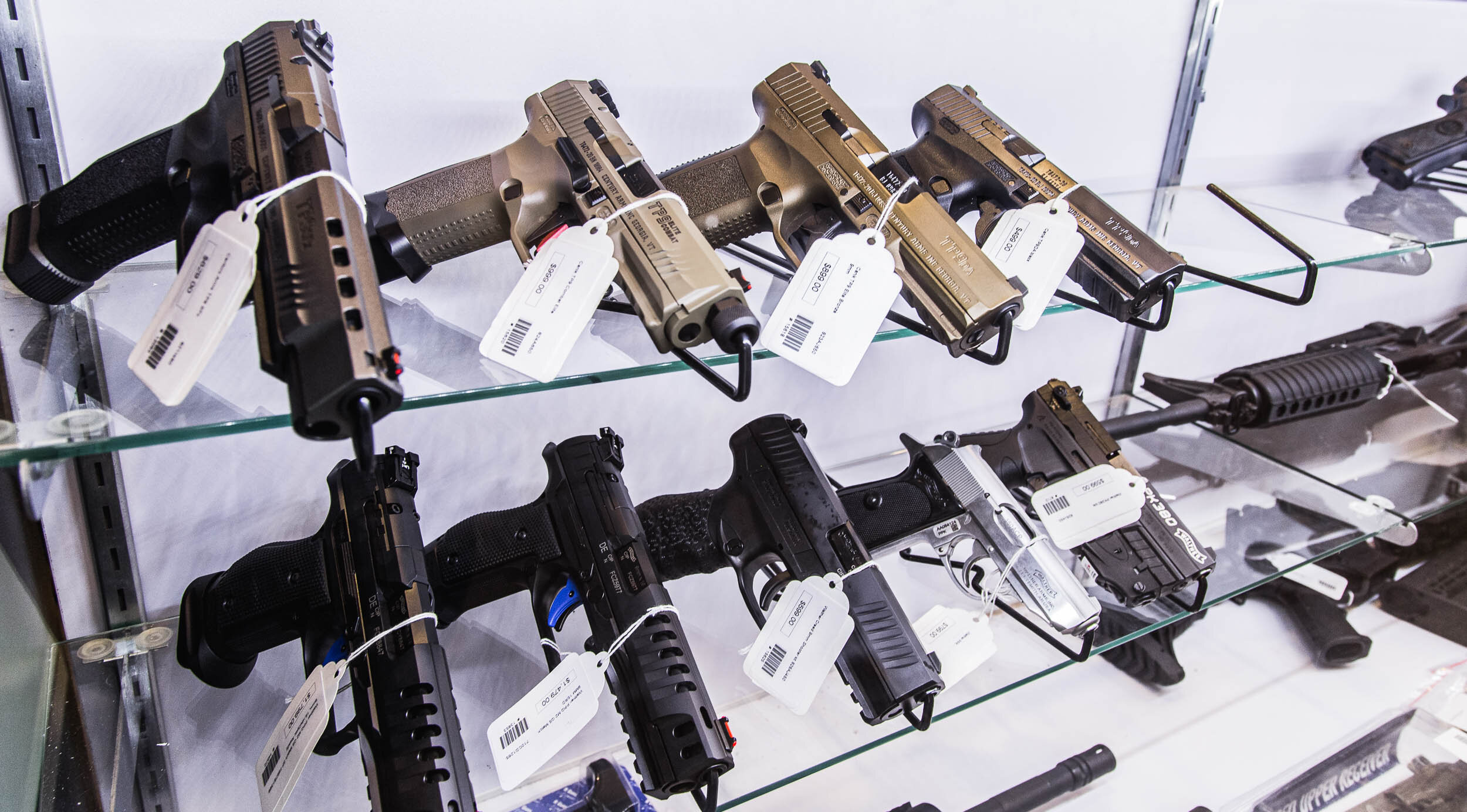
Gun retailers hold a significant place in today’s market, not only for firearm enthusiasts but also for individuals seeking education, resources, and security. Below, we explore the top five reasons why gun retailers remain pivotal in contemporary society.
Finding a Trusted Gun Dealer in Norfolk for Licensed Firearms
Gun retailers serve as a trusted source for the purchase of firearms under strict regulations. These businesses ensure that firearms are sold only to individuals who meet legal requirements, such as passing background checks and adhering to local laws.
- Retailers follow guidelines established by federal agencies like the ATF (Bureau of Alcohol, Tobacco, Firearms and Explosives).
- They prevent the illegal or unregulated sale of firearms, providing an essential safeguard for public safety.
| Legal Requirement | Purpose | Example |
| Background Checks | Verify eligibility | NICS (National Instant Check) |
| Waiting Periods | Provide cooling-off time | Varies by state |
| Licensing Compliance | Ensure responsible sales practices | Federal Firearm License (FFL) |
By maintaining these standards, gun retailers contribute to lawful firearm ownership while reducing risks associated with illegal sales.
Promoting Responsible Ownership at a Gun Store Norfolk
- Knowledge about safe storage options such as trigger locks or gun safes.
- Guidance on selecting firearms suited for specific purposes (e.g., home defense vs. recreation).
- Resources on firearm handling best practices.
This focus helps build a culture of responsibility within the firearm community.
Supporting Self-Defense Needs: Where to Buy Guns Norfolk
For many individuals, personal safety is a key motivator behind firearm ownership. Gun stores give citizens access to tools that enable self-defense within the boundaries of the law.
- Availability of non-lethal options like pepper spray alongside traditional firearms.
- Education on local self-defense laws to ensure compliance when using force defensively.
These services empower customers to protect themselves while understanding their legal responsibilities.
Providing Employment Opportunities and Economic Growth
Gun retailers bolster local economies by generating jobs and revenue streams in their communities. They create opportunities not only within stores but also across related industries like manufacturing and training programs.
- Hiring skilled employees knowledgeable about firearms.
- Boosting allied industries such as ammunition production and safety device manufacturing.
This economic impact underscores their broader role beyond retail activity alone.
Building Trust Within Communities
- They advocate for customer safety through educational events or workshops.
- Local stores foster personal relationships with customers often lacking at larger chain retailers.
By serving as hubs where customers can ask questions without judgment or pressure, these businesses build lasting relationships rooted in trust—a critical factor that cements their role within society today.
Gun retailers are more than just storefronts; they represent a regulated space where lawful transactions converge with essential education about safe and responsible firearm use—further ensuring their continued relevance amid evolving societal needs.
Finding a Reliable Gunsmith Near Me for Lawful and Responsible Firearm Ownership
Compliance with Regulatory Frameworks
Gun stores are at the forefront of adhering to federal, state, and local laws regarding firearm sales. This involves:
– Conducting Background Checks: All federally licensed firearm dealers (FFLs) are required by law to perform background checks on prospective buyers through the National Instant Criminal Background Check System (NICS).
– Enforcing Waiting Periods: In regions where mandatory waiting periods are required before taking possession of a firearm, gun retailers ensure this process is respected.
– Maintaining Accurate Records: Retailers must document all transactions meticulously in their Acquisition and Disposition Logs as mandated by the Bureau of Alcohol, Tobacco, Firearms, and Explosives (ATF). These records help trace firearms involved in potential crimes.
By diligently following these standards, gun retailers contribute to minimizing unauthorized access to firearms.
Promoting Safe Storage Practices
A key aspect of responsible firearm ownership is safe storage. Gun stores emphasize this by:
– Educating customers about using trigger locks and gun safes to prevent unauthorized access or accidental discharge.
– Offering secure storage solutions such as biometric safes or lockable cases for firearms.
– Highlighting the importance of keeping ammunition stored separately from firearms when not in use.
This proactive approach helps reduce accidental injuries and theft-related misuse while fostering a culture of responsibility among owners.
Advocating for Proper Training and Education
Many gun stores recognize that education is an essential component of responsible ownership. To address this need, they often provide or partner with organizations offering training programs like:
– Basic firearm handling courses for first-time buyers. – Advanced shooting classes designed for experienced owners seeking to enhance their skills. – Concealed carry permit courses that stress legal considerations for concealed carry holders.
Through these efforts, retailers ensure that customers understand how to safely use their firearms while complying with relevant laws.
Raising Awareness About Legal Responsibilities
Gun retailers serve as a valuable resource for educating buyers about their legal obligations as firearm owners. For instance: 1. Informing purchasers about state-specific transportation laws. 2. Clarifying self-defense statutes such as “stand your ground” or “duty-to-retreat” laws. 3. Explaining restrictions related to public carry zones like schools or government buildings.
This guidance reduces instances where ignorance could lead to unintended legal violations.
Encouraging Ethical Firearm Use
Responsible ownership also extends beyond legality into ethical considerations regarding when – and if – one should use a weapon defensively. Many reputable dealers emphasize non-lethal conflict resolution alternatives before resorting to force.
| Aspect | Responsibility Promoted |
| Legal Compliance | Adhering strictly to regulations |
| Safe Storage | Preventing unauthorized access |
| Education | Teaching proper usage techniques |
| Ethical Decision-Making | Encouraging restraint during conflicts |
By instilling accountability through education, transparency, and adherence to law enforcement standards within their customer base, gun retailers actively support lawful practices while advocating responsible behavior at every step of ownership.
Exploring the Role of Gun Stores as Knowledge Hubs for Firearm Education and Training
Gun stores play a pivotal role in promoting lawful, responsible, and informed firearm ownership. Beyond being retail spaces, they serve as knowledge hubs for firearm education and training. By offering a range of resources, insights, and hands-on guidance, gun stores contribute to creating a safer and more knowledgeable firearm community.
Educational Resources Available at Gun Stores
- Instructional Workshops: Topics may range from the basics of firearm safety to advanced techniques in maintenance and handling.
- Printed Guides: Comprehensive booklets or pamphlets outlining local firearm laws, safety tips, and proper use.
- Online Learning Platforms: A growing number of stores link customers to online tools such as safety videos or virtual courses.
Certified Training Programs
- Focus on state-specific laws.
- Teach proper storage requirements for concealed carry weapons (CCWs).
- Highlight ethical considerations tied to carrying firearms in public settings.
- Cover topics such as proper grip technique, muzzle awareness, trigger discipline, and safe unloading procedures.
- Often required prior to purchasing certain types of firearms in some jurisdictions.
- Provide hands-on experience under controlled conditions.
- Allow customers to test different calibers or models before making purchasing decisions.
The Role of Staff Expertise
- Offering personalized recommendations based on individual needs (e.g., home defense vs. sport shooting).
- Explaining complex legalities surrounding background checks or restricted items.
- Addressing specific concerns regarding first-time buyers’ apprehensions or advanced users’ technical questions.
Community-Centered Learning Opportunities
- Hosting open Q&A sessions with experts from law enforcement or military backgrounds.
- Establishing customer forums or meetups where individuals share best practices related to safe handling techniques.
- Partnering with organizations like the NRA or local shooting ranges to offer discounted courses.
| Class Type | Duration | Average Cost | Certification Provided |
| Concealed Carry Classes | 4–8 hours | $50–$150 | Yes |
| Basic Firearm Safety | 2–5 hours | $30–$100 | Sometimes |
| Advanced Tactical Training | Full-day workshops | $200+ | Yes |
Ensuring Customers Stay Informed About Regulations
- Hosting seminars focused on updates to federal/state regulations regarding licensing or ownership requirements.
- Maintaining bulletin boards with critical notices about ammunition bans or new compliance standards.
- Sending newsletters highlighting key legislative changes impacting their region’s gun owners.
Gun stores’ commitment to education goes beyond just selling products; it ensures that their customers understand not only how to use firearms safely but also the responsibilities that come with ownership—an approach that benefits individuals while strengthening broader efforts toward responsible firearm stewardship across communities nationwide.
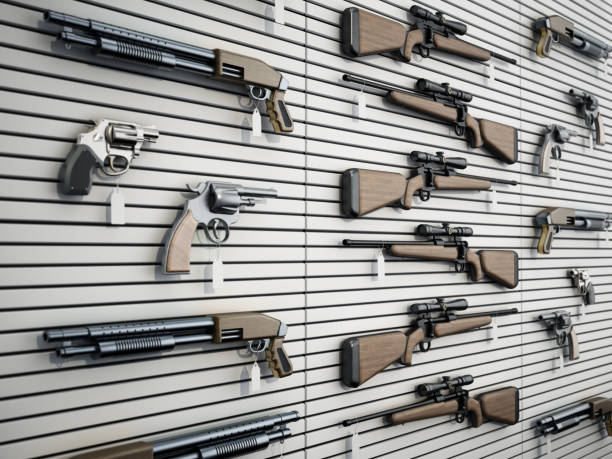
Building Community Among Firearm Owners Through Gun Store Engagement
Gun stores serve as more than just a place to buy firearms and ammunition; they play a significant role in fostering a sense of community among firearm enthusiasts. These establishments often act as gathering spaces where people can connect, share experiences, and learn from one another. Below are several ways gun retailers help in building and strengthening a community of firearm owners.
Hosting Educational Events and Workshops
- Firearm Safety Courses: These classes focus on responsible gun ownership and usage, helping participants understand safe handling practices.
- Concealed Carry Training: Gun store-sponsored sessions guide participants through the legal requirements and best practices for carrying concealed firearms.
- Marksmanship Clinics: These programs bring together enthusiasts to sharpen their shooting skills under the guidance of experienced instructors.
Educational events not only provide valuable learning opportunities but also encourage open dialogues within the community about lawful and responsible firearm ownership.
Creating Networking Opportunities
Gun retailers often serve as informal meeting points for local firearm owners to connect with others who share similar interests. This facilitates networking within the community and can lead to lasting relationships, mentorships, or even partnerships for outdoor activities such as hunting or competitive shooting events.
Gun stores also frequently partner with local clubs or organizations to promote events such as:
– Shooting competitions
– Hunting expeditions
– Gun shows
By creating these connections, stores strengthen ties between individual owners while promoting responsible use of firearms.
Supporting Local Advocacy Efforts
Gun retailers also play an essential role in supporting advocacy initiatives that promote lawful gun ownership rights while addressing community concerns about safety and security. By acting as a hub for distributing information on pending legislation or hosting awareness campaigns, these businesses foster informed discussions within the firearm-owning community.
For example:
| Advocacy Initiative | Role Played by Gun Stores |
|——————————|—————————————————————|
| Promotion of Gun Safety | Offering resources like brochures or guest speaker events |
| Legislative Awareness | Educating customers about current regulations and compliance |
| Community Outreach Programs | Partnering with local law enforcement for public initiatives |
Cultivating a Welcoming Atmosphere
Many well-managed gun stores prioritize creating an environment where all customers feel welcome—whether they are seasoned firearm owners or first-time buyers seeking guidance. The staff’s expertise combined with approachable customer service can make the store a trusted space where people feel comfortable engaging in meaningful discussions about firearms.
To maintain this atmosphere, successful retailers often focus on:
– Hiring knowledgeable staff who can address diverse questions about firearms. – Encouraging open dialogue without judgment. – Providing resources tailored to various levels of expertise.
This welcoming culture builds trust within the community while reinforcing shared values around education, safety, and personal responsibility.
Gun stores stand out by not only offering products but also serving as central hubs that foster connection among firearm owners. Through education, advocacy support, networking opportunities, and inclusive environments, these establishments contribute significantly to building stronger communities centered on lawful firearm ownership practices.
How Gun Stores Support Brands in Driving Firearm Sales and Growth
Gun stores play a pivotal role in supporting firearm brands, acting as intermediaries that connect manufacturers with consumers. Their unique position in the supply chain allows them to drive sales, build brand trust, and foster growth for firearm companies. Below is an exploration of how gun stores contribute to this dynamic.
1. Providing a Platform for Brand Visibility
- Showcasing New Products: Retailers act as launchpads for new firearms, accessories, and related products.
- Creating Brand Awareness: By stocking specific brands, gun stores introduce lesser-known manufacturers to the local market.
- Highlighting Promotions: In-store promotions and displays give attention to special sales or exclusive offers from brands.
2. Generating Consumer Feedback
| Feedback Type | Benefit for Brands |
| Customer preferences | Helps manufacturers understand product demand |
| Complaints or issues | Allows brands to address design flaws or concerns |
| Suggestions for improvements | Encourages innovation in product development |
By sharing these insights with manufacturers, gun retailers help ensure that future offerings meet consumer expectations.
3. Educating Consumers on Products
- Product Demonstrations: Hands-on demonstrations allow customers to experience how certain firearms function.
- Expert Advice: Staff members are often trained by manufacturers on the technical specifications of different models.
- Safety Training: Retailers emphasize safe handling practices, reflecting positively on the brand’s image.
This education builds buyer confidence and encourages informed purchases, which benefits both the consumer and the manufacturer.
4. Supporting Marketing Efforts
- Point-of-Sale Displays: Eye-catching displays highlight featured products.
- Co-Branded Events: Stores host events such as shooting range days or product showcases in partnership with firearm companies.
- Digital Outreach: Many retailers promote brand content through their websites or social media channels.
These efforts amplify a brand’s reach while helping gun shops attract more foot traffic.
5. Building Long-Term Customer Relationships
By fostering trust through personalized service, gun stores create loyal customers who are more likely to return for repeat purchases of both firearms and related accessories. Firearm manufacturers benefit from this long-term customer retention strategy since it ensures consistent sales growth over time.
In summary, gun stores are essential partners for firearm brands aiming to expand their market presence and revenue streams. From providing visibility and generating feedback to supporting marketing efforts and building relationships with customers, these retailers have an indispensable role in driving sales while fostering growth across the industry.
The Importance of Gun Stores in Shaping the Future of the Firearms Market
Gun stores play a pivotal role in shaping the future of the firearms market by acting as a bridge between manufacturers and responsible firearm users. These retail locations are more than just points of sale—they influence consumer behavior, industry trends, and community standards.
Supporting Innovation Within the Industry
- Showcasing New Products: Gun stores introduce consumers to advancements such as smart gun technology, modular firearms, or lightweight materials.
- Gathering Feedback: Retailers collect insights from customers about product preferences and potential improvements, which can be relayed to manufacturers.
- Driving Demand for Accessories: By promoting accessories like enhanced optics or suppressors, gun stores help shape market trends.
Educating Consumers on Responsible Ownership
The firearms market thrives on trust and responsibility. Gun stores ensure that prospective buyers are well-informed about their purchases while emphasizing safety. Education is critical for sustaining trust among both novice and experienced firearm owners.
- Safety Training Programs: Many gun retailers offer training courses or partnerships with certified instructors to enhance safe handling practices.
- Regulatory Guidance: Retailers help buyers navigate complex laws related to firearm ownership, storage, and transportation.
- Product Knowledge Sharing: Customers rely on gun store staff for advice on choosing appropriate calibers, ammunition types, or customization options.
Promoting Transparency Through Compliance
Gun stores help create a future where compliance with legal standards is non-negotiable. They align operations with federal and state laws while advocating for responsible sales practices across the industry.
| Compliance Area | Impact on Market |
| Background Checks | Prevents unauthorized access to firearms |
| Inventory Management | Reduces likelihood of illegal transactions |
| Record-Keeping Practices | Enhances accountability for firearm sales records |
By promoting these measures across their operations, gun retailers establish themselves as key players in maintaining market integrity.
Fostering Brand Growth
For firearm manufacturers seeking visibility in competitive markets, partnerships with gun stores are essential. These retailers serve as marketing partners by facilitating direct customer engagement.
- Brand Loyalty Building: Gun store staff often recommend specific brands based on performance or reliability.
- Demonstration Opportunities: Stores provide space for customers to test products during events or workshops.
- Localized Branding Strategies: Gun shops collaborate with manufacturers to cater offerings based on regional demand patterns.
Contributing to Economic Vitality
- Local job creation through employment opportunities at retail locations.
- Contributions to state economies via licensing fees and taxes.
- Partnerships with adjacent sectors such as outdoor recreation gear suppliers or shooting ranges.
By shaping trends while prioritizing education and compliance, gun stores are integral players in defining what the future of firearm ownership looks like—one rooted in responsibility and innovation alike.

Key Factors That Differentiate Gun Stores From Other Outdoor Retail Industries
Gun stores occupy a unique position in the retail landscape, setting themselves apart from other outdoor retail industries. While businesses catering to outdoor activities like camping, fishing, and hiking share some overlapping audiences with gun retailers, several key factors highlight what makes gun stores distinctive.
Specialized Product Offering
Gun stores focus on a highly specialized product category: firearms, ammunition, and related accessories. Unlike general outdoor retailers that may offer a wide range of products for different hobbies or sports, gun stores cater specifically to firearm enthusiasts and professionals. This specialization sets them apart in several ways:
– Diverse Firearms Inventory: Stocking handguns, rifles, shotguns, and their variations tailored to customer needs—whether for self-defense, hunting, or competitive shooting.
– Ammunition Selection: Offering ammo by caliber and intended use (e.g., target practice vs. hunting).
– Accessories: Scopes, holsters, cleaning kits, safes, and other firearm-specific tools that are often unavailable in broader outdoor retail shops.
Compliance With Federal and State Regulations
One of the most significant distinctions is the legal framework surrounding firearms sales. Gun store operations are heavily regulated by federal laws like the Gun Control Act (GCA) and state-specific compliance requirements. These regulations require gun retailers to adhere to practices such as:
– Conducting background checks through the National Instant Criminal Background Check System (NICS).
– Maintaining detailed transaction records for all firearm sales.
– Ensuring employees are trained on legal sales procedures.
Outdoor retailers that sell general camping gear or fishing equipment do not face these levels of oversight.
Knowledgeable Staff With Specialized Expertise
Gun store employees often possess deep expertise about firearms’ mechanics, safety features, and appropriate usage scenarios. This contrasts with staff at general sporting goods stores who may have broader but less specialized knowledge about various product categories. Services typically offered include:
– Recommendations based on customers’ specific needs (e.g., concealed carry vs. home defense).
– Explaining proper maintenance techniques or firearm customization options.
– Educating buyers about safe storage solutions to prevent accidents or theft.
Role as Community Hubs for Firearm Enthusiasts
Many gun stores double as community hubs where like-minded individuals can connect over shared interests related to firearm ownership or shooting sports. Activities often hosted by gun shops include:
1. Training courses for concealed carry permits or beginner firearm handling skills. 2. Events like shooting competitions or hunting seminars. 3. Networking opportunities for local hunting clubs or shooting ranges.
These events foster relationships among customers while reinforcing the retailer’s role beyond being just a place of commerce.
| Differentiating Factor | Gun Stores | General Outdoor Retailers |
| Regulatory Complexity | Extensive compliance required | Minimal regulatory oversight |
| Product Focus | Firearms & related accessories | Broad range of categories |
| Staff Expertise | Deeply technical knowledge | Generalized knowledge |
| Community Engagement | Training/events/hobby-focused | Rarely industry-specific |
Training Services Not Found Elsewhere
An additional factor distinguishing gun stores is their consistent focus on education through training programs unavailable in other retail spaces: – Basic safety certifications for first-time buyers. – Advanced marksman courses for professional users. – Hands-on workshops explaining how to clean or modify firearms properly.
This educational aspect aligns directly with the responsibilities inherent in selling products designed to protect lives yet require responsible handling.
By excelling in these areas—compliance adherence, product specialization, community involvement, staff expertise—the role of gun stores stands apart from their outdoor-focused counterparts within the retail sector while fostering trust among customers seeking safe firearm ownership experiences.
- Gun Dealer Norfolk: Everything You Need to Know About Permits to Purchase or Transfer Firearms
- Discover Why a Gun Shop Norfolk Residents Trust Remains Essential in Today’s Market
- Finding the Best Gunsmith Near Me: A Guide for First-Time Gun Owners
- Reasons Why People Buy Guns Norfolk for Personal Protection
- Where to Buy Guns Norfolk Residents Trust for Optics and More Compatibility
- Promoting Safe and Responsible Gun Ownership at a Gun Shop in Norfolk
- Finding the Best Gun Store Norfolk Has to Offer: A Beginner’s Guide to Choosing Your First Firearm
- Tips for Choosing Your First Firearm from a Reputable Gun Shop Norfolk